

Cobalt Produces Multiple Episodes for Global Brand Using Virtual Production: A Case Study
Cobalt Produces Multiple Episodes for Global Brand Using Virtual Production: A Case Study
We recently wrapped an incredible project for an international brand (you’ve definitely heard of them), and would love to take a minute to talk about it. Of course, we understand how secrets work, so we’re taking a ride on the vague train! Not to worry, we’ll cautiously break it down for you as we’re highly aware of what can and cannot be shared 😉
That said, we think it’s important to discuss the process and how we created two white-label episodes in record time… for a fraction of the budget.
In turn, our production client was able to impress their global client. Meaning, everyone benefited from our Virtual Production methodology.
Let’s take a minute to look at the challenges presented at the top, the solution we developed, and the key takeaways at the end.
Project Overview
In this recent case, an enterprise business approached us needing two episodes for in-house training that they produce several times a year. These episodes play on their in-house channel for their branded network. They are shown to over 100,000 employees worldwide, and are used to leverage critical security protocols (among other things).
Each program highlights a form of data security and best practices. It typically involves some type of hacker, doing something, that eventually compromises different types of data. Basically, the hacker is after your data, so what are you going to do to combat it?
In this project, Kara & Alex took the reins, co-directing and producing both episodes. This was only after they thoroughly listened to the key problems, discussed challenges, and brainstormed the best solution. And all of this because? Cobalt Stages is a production company first—that just so happens to offer amazing turnkey soundstages.

Initial Challenges
So, what were the main problems this client faced?
The main issues were timing and budget. In the past, these episodes were shot on location, mostly within the United States. More than 30 programs had already been produced, but the episodic lacked global context and relevance that reflected the brand’s expansion.
Thus, the client wanted to shoot in four global cities (capturing the nuances, their tones and textures without the prohibitive cost of international globetrotting). They also considered subtitles and dubbing for universal appeal. The client expressed that they understood the reach, but they really needed to hit one out of the park, and they were hoping we were just the team to make it happen.
This truly was the greatest challenge:
- What is the smartest production modality for the best production value?
- How can an international shoot be accomplished with limited funds?
- How can we depict a myriad of global cities without stepping foot outside of the US?
We rolled up our sleeves, sly smiles painted on our faces. We had JUST the solution!
Working Solution
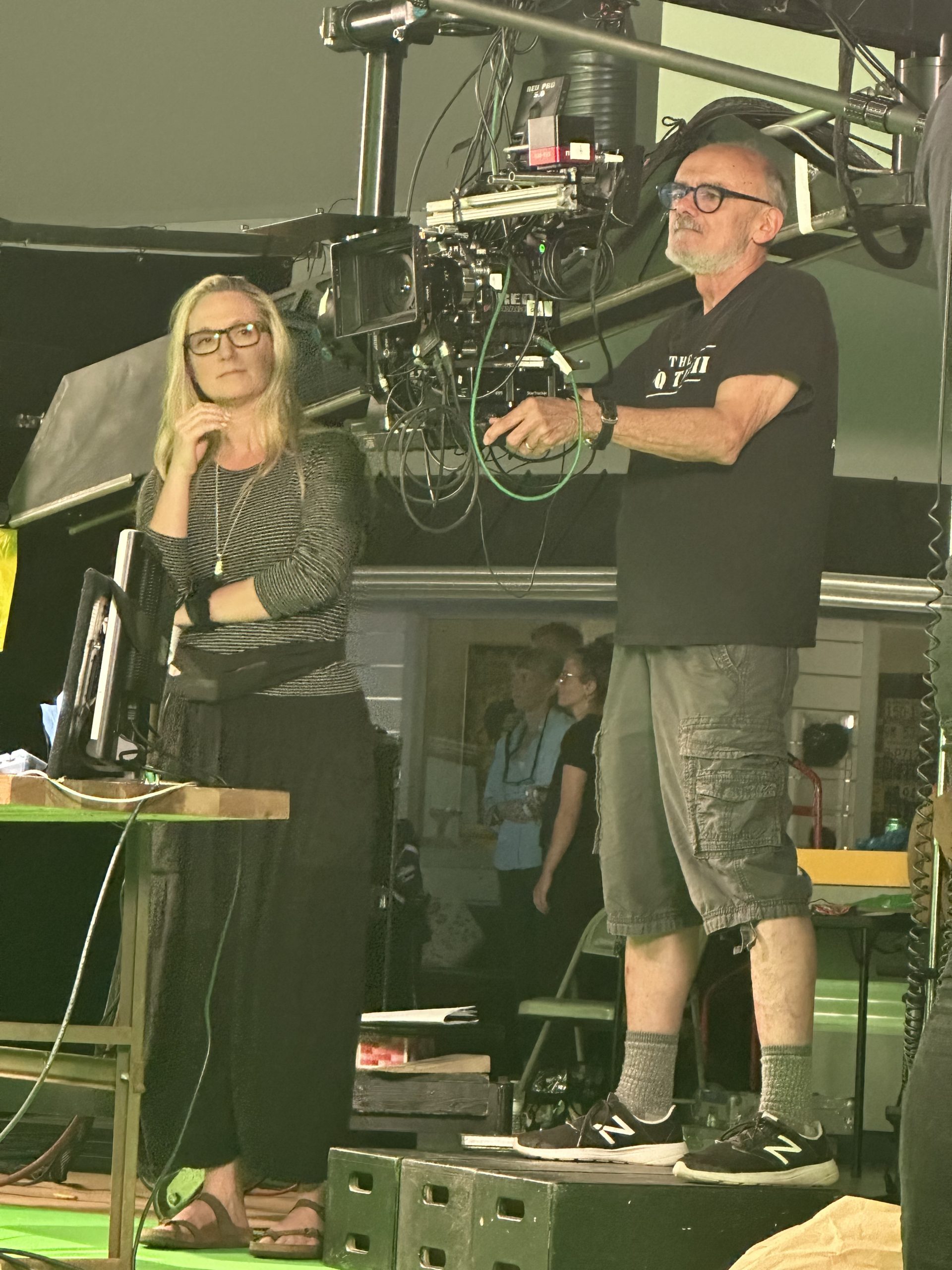
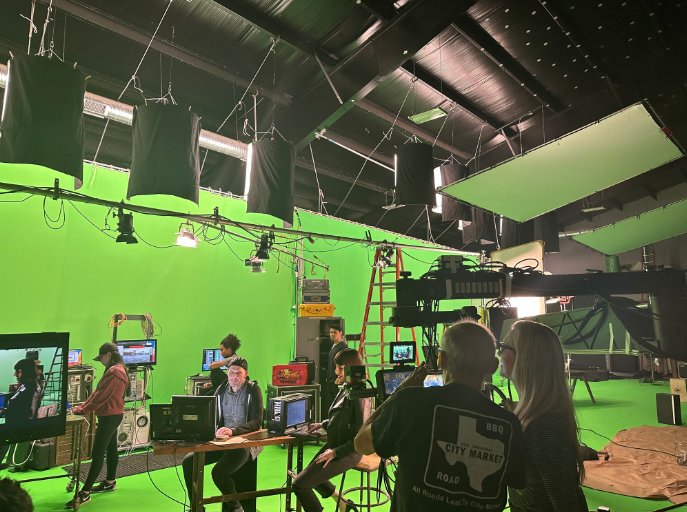
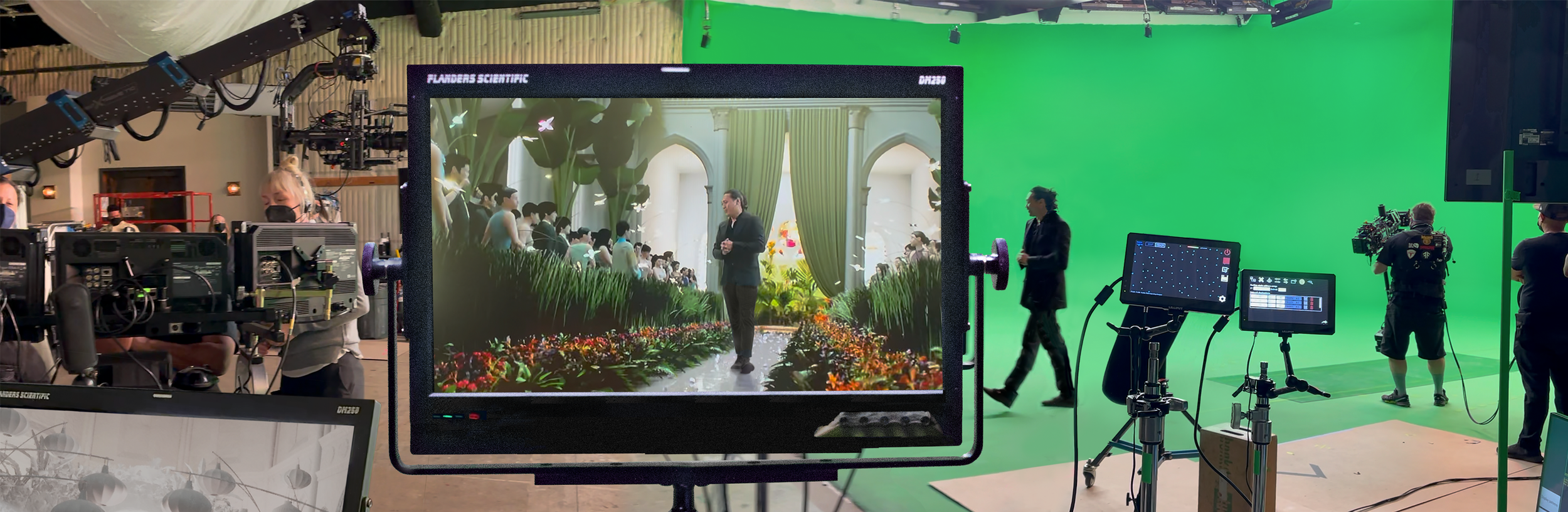
In order to offer our client a high production value, with infinitely lower costs, we suggested the use of Virtual Production. This gave them the ability to appear as if they were shooting in several different cities and scenes, all without leaving the Woodstock soundstage.
Planning and Storyboard
We needed to recreate several scenes, both interior and exterior, with extras and dialogue. The first scene was a clean and organized control room monitored at the company’s HQ. It had to contain lots of screens, monitors, and details. The other scene was a grungy and dark hacker’s lair, that required a lot of texture.
Methodology and Technology
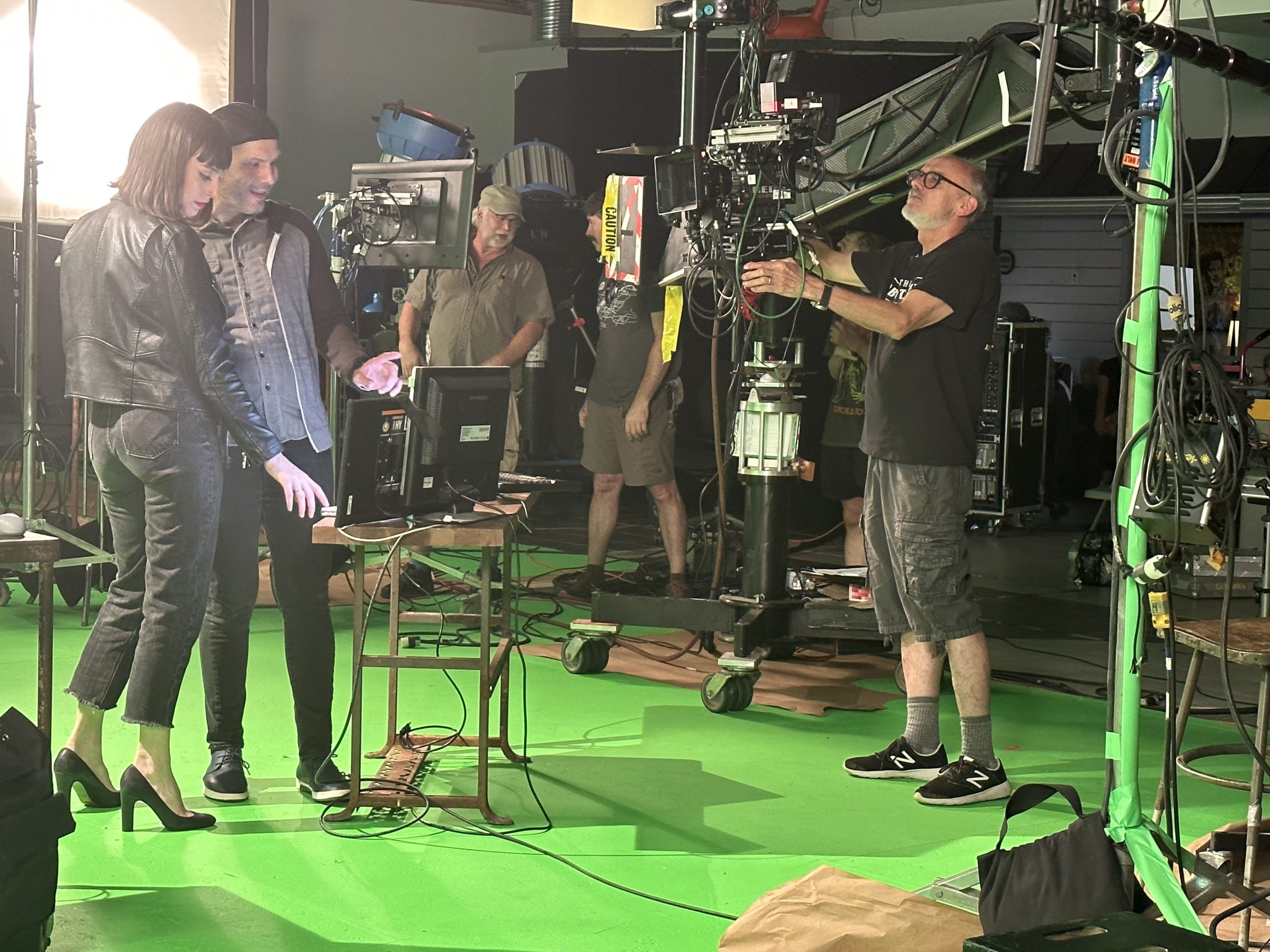
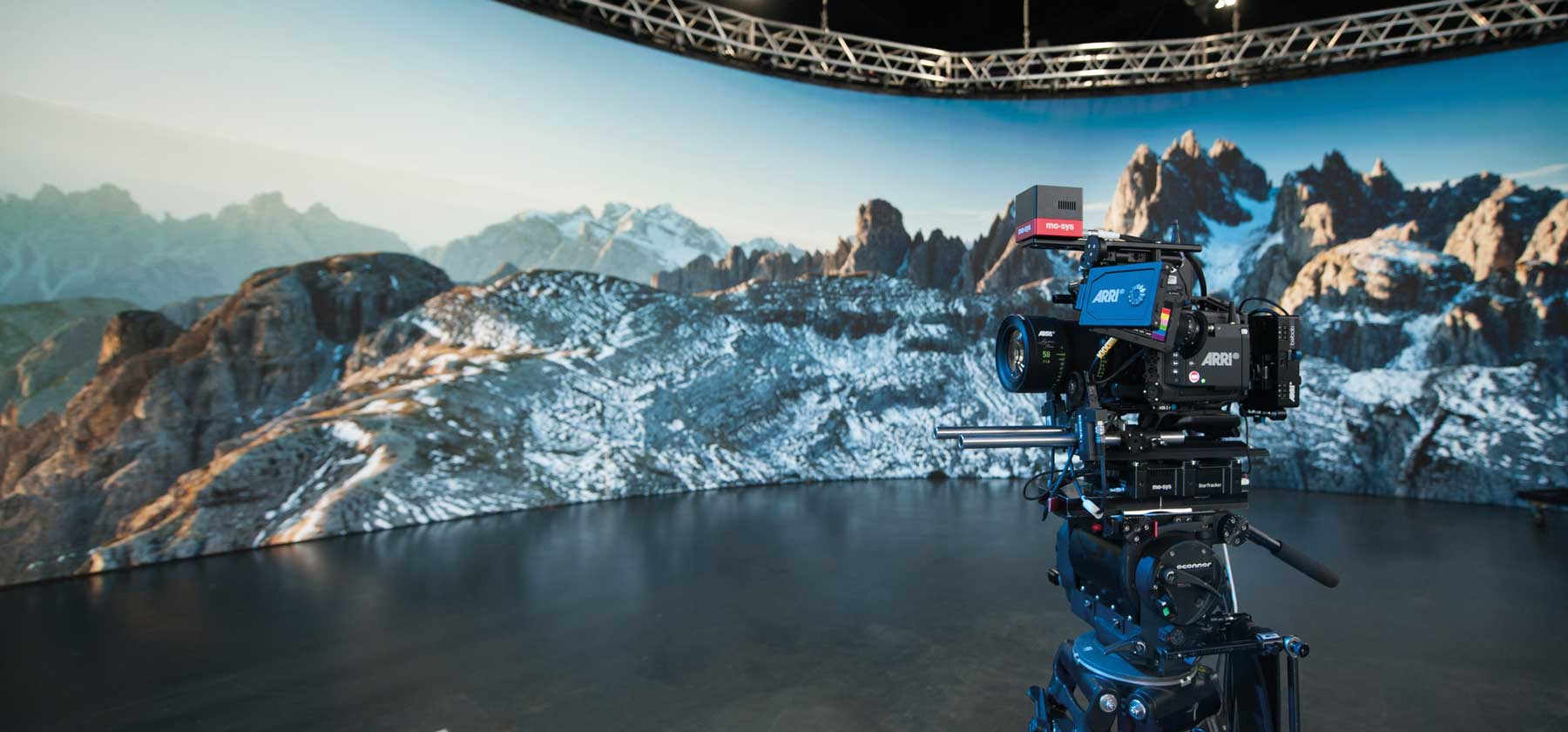
After careful planning, we were able to do a 4K live composite using our Virtual Mo-Sys technology. We created CG environments, coupled with small, practical sets, which gave actors the ability to relate to and touch the equipment. This enabled us to output live, 4K resolution composites of the CG environment paired with performance live-action.
In both scenes, we had video screens composited all over the place. This enabled us to recreate rich depth, like moving cars in the background of the hacker’s lair or extras walking in Chicago’s Millennium Park, their images reflecting perfectly off the famous Bean.
Virtual Production also gave us the power to change the time of day or even the season, with the simple click of a button. How’s that for saving time and money?
Crews and Resources
Cobalt prioritizes production, and we collaborate with a wide range of networks to get the job done. In this case, we used a mix of local and city crews to save money and facilitate the entire workflow.
We possess a huge roster of local talent, so if you’re coming from out of town, that’s one less thing to worry about. We also offer an array of opportunities in case you want to bring your own people (deep discounts for food and lodging, anyone?).
Key Takeaway
At the end of the day, the project was a huge success. The client came out and shot two ambitious episodes that took them around the world in just three days!
Even better, they were able to impress their own client. They demonstrated that the same level of quality, production value, and depth from past award-winning episodes, could be recreated at a percentage of the price.
How much would it have cost to ship this crew across the world for several different shoots, over weeks of time? What would it cost to build each set and hire local talent in four different locations?
The answer is simple. Virtual Production is leading the forefront of AI-enhanced production. It’s a technology that can save a global brand thousands of dollars, hundreds of hours, and priceless business relationships.
Ready to slash your budget and save time on your next production? We’re ready to brainstorm.
Want to learn about Virtual Production and how to use it?
Cobalt’s got you covered. As the first company to offer Virtual Sets on the East Coast, we have the experience to guide you. Let’s have some fun.
Need Production solutions and support?

Ulster County Spring Events.
Ulster County Spring Events.
So, you’re working at Cobalt Woodstock, or visiting Ulster County this year, and you’re itching to get out and see what’s happenin’…. We don’t blame you.
Ulster County is the place to be!
It’s a serene mix of nature and the arts, with a flair for the bohemian and laidback lifestyle. Artists abound. When journeying through the area, consider some of these upcoming Spring events to kickstart the warm weather season. Finally!
Saturday, April 27th

Take in the beauty of the sweet-smelling apple blossoms at Hurd’s Family Farm on Saturday and Sunday, April 27th, from 10 am to 4 pm!
What’s even cooler is that the experience is drive-through, so you can stay in your vehicle the whole time on a marked path.
There is also a walking tour, where you are welcome to stay from 10 a.m. to 4 p.m. This includes unlimited time in the blossoms with activities for the kids and access to food, drinks, and shopping.
Sunday, April 28th

The Phoenicia Indoor Farmer’s Market runs from 11:00 a.m. to 2:00 p.m. Shoppers can expect fresh, local produce, eggs, meats, bread, pastries, local spirits, flowers, mushrooms, prepared foods, and more from 15-20 local farmers and food producers. This sounds like a dream!

The Ashokan Spring Explorations Program (at the Ashokan Center) is about Healing Plants and runs from 2:00 p.m. – 4:00 p.m. on Sunday, April 28th.
Outdoor educators Del Orloske and Krista Speroni lead a group hike on the beautiful trails of the Ashokan Center to look for plants with interesting characteristics and medicinal benefits. I personally hope to learn about all the many varieties of mushrooms 🍄
In this discussion, you’ll explore the historical and present-day uses of plants. Rain or shine, dress for the weather. All ages are welcome (under 18 must be accompanied by an adult).
Saturday, May 4th

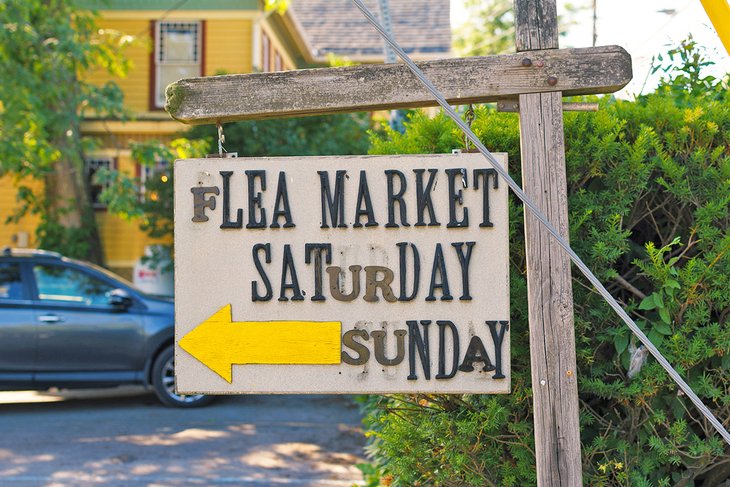
Get ready to support our furry friends at the 15th annual Ulster County Garden Party and Flea Market, held Saturday, May 4th, from 9 a.m. to 2:00 p.m.
The event is open to the public and includes a plant and bake sale, with all proceeds going straight back to the animals. This one is more for Chloe and friends, as Alex is not really a cat dude lol
Saturday, May 18th

Opus 40 is holding its Annual Community Day on Saturday, May 18th, from 11:00 a.m. to 5:00 p.m. The renowned nonprofit sculpture park, built entirely by artist Harvey Fite, is located in the heart of the Hudson Valley, NY. Literally about 7 mins from Cobalt Woodstock 🎬
The day includes tours, music, visits, activities, vendors, and more. There’ll be live music, food trucks, and local treats galore!
Sunday, June 23rd

Opus 40 features the Mushroom Walk with Chris Baker, the Chicory Naturalist, on Sunday, June 23rd, from 11:00 a.m. to 1:00 p.m.
Participants in the walk will earn important skills for mushroom identification, sustainable foraging practices, and a natural appreciation for the many roles fungi play in our ecosystem.
Remember to bring a basket for picking and sensible shoes for heading off the trail.
Sunday, June 30th
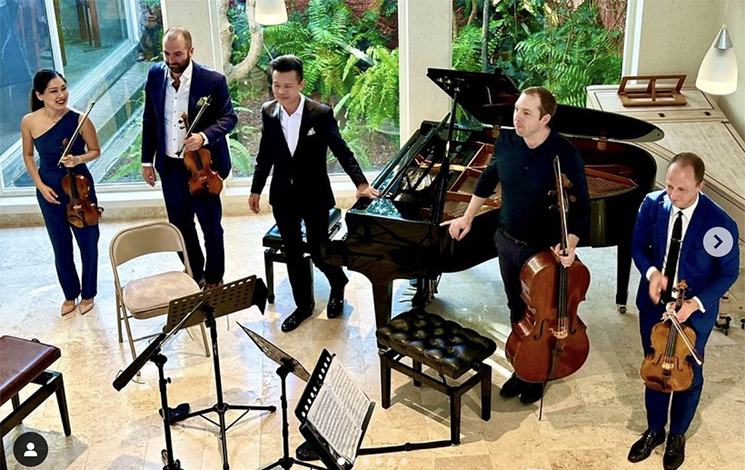
This is also a major favorite of mine… Come see the Manhattan Chamber Players and David Fung at the Maverick Chamber Music Festival on Sunday, June 30th. If I ever live anywhere other than Woodstock, I will always come back in the summer for these outdoor chamber sessions.
The Manhattan Chamber Players is a music collective of New York-based musicians who share the common goal of performing the greatest works in the chamber repertoire, at the highest level, with the utmost of skill.
Maverick Concerts is the oldest ongoing summer chamber music festival in the U.S.. It’s been attracting the best musicians in the world for over 100 years. In addition to classical music, expect to find concerts for jazz, contemporary, folk, and world music.
What Are You Up to This Spring?
Are you planning on working or visiting Ulster County this spring? Do you have a project that will mesh perfectly with our Virtual Production capabilities?
Don’t forget to stop by our Woodstock studio and say hello. Or even if you need to chat about an upcoming interest in the area…
Want to learn about Virtual Production and how to use it?
Cobalt’s got you covered. As the first company to offer Virtual Sets on the East Coast, we have the experience to guide you. Let’s have some fun.
Need Production solutions and support?
Cobalt's Current Collaborations!
Cobalt's Current Collaborations!
Spring has sprung here in Woodstock and the Team at Cobalt has a whole bunch of new capabilities and projects flowering as we write this!
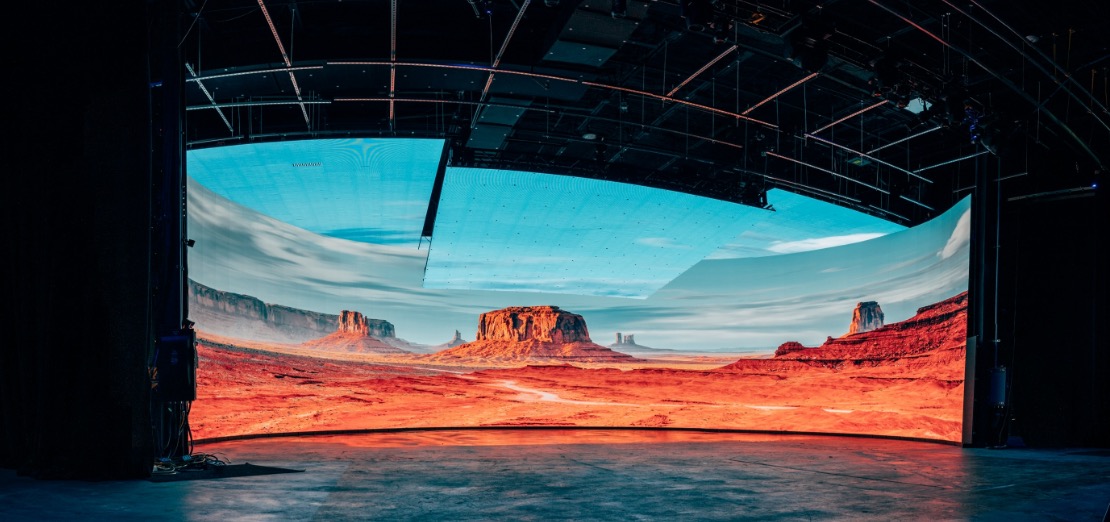
You’ve heard us talk about Virtual Production before, and how we make your projects come to life…and trust us, we’re gonna talk about that even more. But we wanted to let you know, right off the bat, that our turnkey soundstage works with both green screen AND LED VOLUMES!
Speaking of projects, we are working on some really exciting stuff:
- We just wrapped 2 episodes of an internal series for a global brand (you’ve definitely heard of them.) This client made use of our Virtual Production expertise to shoot 6 different cities around the world, all while staying in Woodstock!
- We’re also ironing out the details on another Virtual Production feature. This is an exciting one because Alex is going to be the EFX Supervisor on the project.
- And, we’re recreating turn of the century Europe for an upcoming feature. Who needs to worry about shooting vintage, when you can shoot virtually? Not our clients!
- Speaking of history, we’re also working with a team on a piece that can’t be shot where the events actually took place because the location is a museum, now. So, naturally, they came to the Cobalt Dream Team and asked us to recreate the location virtually.
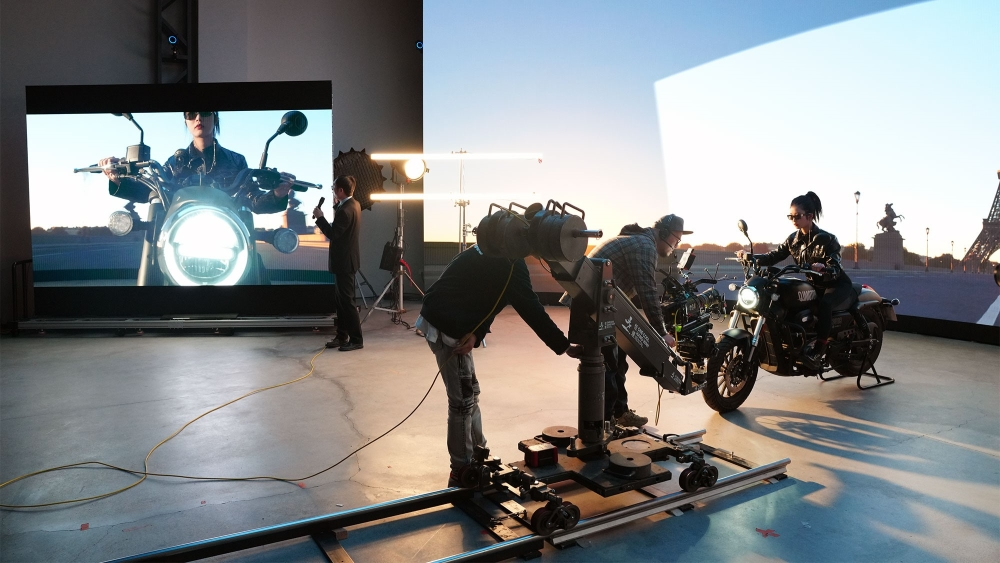
- We’re firing up the new LED Volume for a car shoot, saving our client all the cash they would have spent doing an overnight shoot in the city.
- A high-fashion client is using the same LEDS to shoot vignettes for an upcoming campaign.
Phew, that’s a lot.
But wait, there’s more! We’ll also be traveling the virtual galaxy to shoot another sci-fi feature.
We can’t wait to invite these collaborators, friends, and clients to our space. Ready to chat about how we can help make your dream project a reality?
Want to learn about Virtual Production and how to use it?
Cobalt’s got you covered. As the first company to offer Virtual Sets on the East Coast, we have the experience to guide you. Let’s have some fun.
Need production solutions and support?
How an Image Creation Pipeline Facilitates Virtual Production.
How an Image Creation Pipeline Facilitates Virtual Production
Image pipelines are the secret sauce behind Virtual Production and fantastical visual effects. You’ve got to be prepped and ready at all times, and one of the best ways to get ‘er done is through strategy.
When it comes to Virtual Production, image pipelines are the superheroes behind the scenes. Here’s a quick overview of what an image creation pipeline is, why it’s important, and how to get started, right now.
What is an Image Creation Pipeline?
Image creation pipelines refer to the systematic process of generating visual content, typically in digital formats. These pipelines are critical in various industries, including game development, animation, VFX, and film production.
Components of an image pipeline can include (but are not limited to):
- Asset search and Optimization
- Scaling and color correction
- Any frame rate conversions (if necessary)
- Animations production (if/ as necessary)
- Asset management and archiving
- Testing and integration
Now that you understand all the elements involved in the process, how do you plan it?
Steps in the Image Creation Pipeline.
Here’s a general overview of the steps involved in an image creation pipeline:
Step #1) Conceptualization
At this stage, we kick off the creative process by brainstorming ideas and concepts for images and artwork. This can involve sketching, storyboarding, or creating mood boards to visualize the intended outcome.
You should also consider the concept of previsualization. In this technique, 3D artists take ideas a step further by creating low-poly 3D models and representations of scenes.
This collaboration with the production team helps set up camera angles and block out complex scenes, ultimately saving time and resources during the live-action shoot.
Step #2) Pre-production
Detailed planning takes center stage during pre-production. Here, the concept is finalized, the script or narrative (if applicable) is developed, character and environment designs are created, and a comprehensive production plan is crafted.
Step #3) Creating Assets
At this stage in Virtual Production, we roll up our sleeves to create various assets required for the project. This encompasses modeling 3D objects, texturing, rigging characters (if necessary), designing backgrounds, and crafting props or other elements.
If the image involves animation, this stage also includes animating characters, objects, or other elements according to the storyboard or script.
Step #4) Lighting and Rendering
After creating assets, it’s time to meticulously place them in scenes and apply lighting. This involves setting up virtual lights, adjusting their properties, and positioning them for the desired visual impact. Once the lighting is perfected, we render the scene to generate the final image.
Step #5) Compositing
The compositing stage involves blending various elements, such as characters, backgrounds, and effects, to produce the final image. This phase may include tasks like color grading, adding visual effects, and fine-tuning overall image attributes.
Step #6) Quality Assurance (QA)
Before finalizing the image, it undergoes QA to ensure it meets meticulous quality standards. This may involve reviewing for errors, inconsistencies, or visual artifacts.
Step #7) Delivery
Upon approval, the image is prepared for delivery to its intended audience or client. This may require exporting the image in various formats and resolutions suitable for its intended use.
Collaboration and clear communication among team members is critical throughout this process. This ensures the final image aligns with our vision and requirements established during conceptualization and pre-production.
Additionally, iteration and feedback loops play a crucial role in refining the image and addressing any issues encountered during production.
All of these tasks add up to one bottom line:
We’re in a new era of filmmaking.
Why is an Image Pipeline Important?
An image pipeline is essential for streamlining production processes while promising efficiency, consistency, and quality control throughout the creation of visual content.
It enables collaboration among team members, optimizes resource utilization, and facilitates iterative improvements, ultimately leading to the timely delivery of high-quality images tailored to meet project requirements.
Typical goals of an image pipeline can include:
- Perceptually pleasing end results
- Colormetric precision
- A high degree of flexibility
- Low cost/low CPU utilization/long battery life
- Reduction in bandwidth/file size
The image creation pipeline serves as an unsung hero. It works to weed out the gaps and overlaps in processes. From conception to delivery, each of these steps plays a vital role in shaping the final product.
So, whether you’re a seasoned pro or just starting out, let’s keep riding this wave of creativity together. The future of filmmaking looks brighter than ever, and there’s no telling where our imaginations will take us next. 🎥✨
Have questions on your image pipeline?
Want to learn about Virtual Production and how to use it?
Cobalt’s got you covered. As the first company to offer Virtual Sets on the East Coast, we have the experience to guide you. Let’s have some fun.
Need production solutions and support?
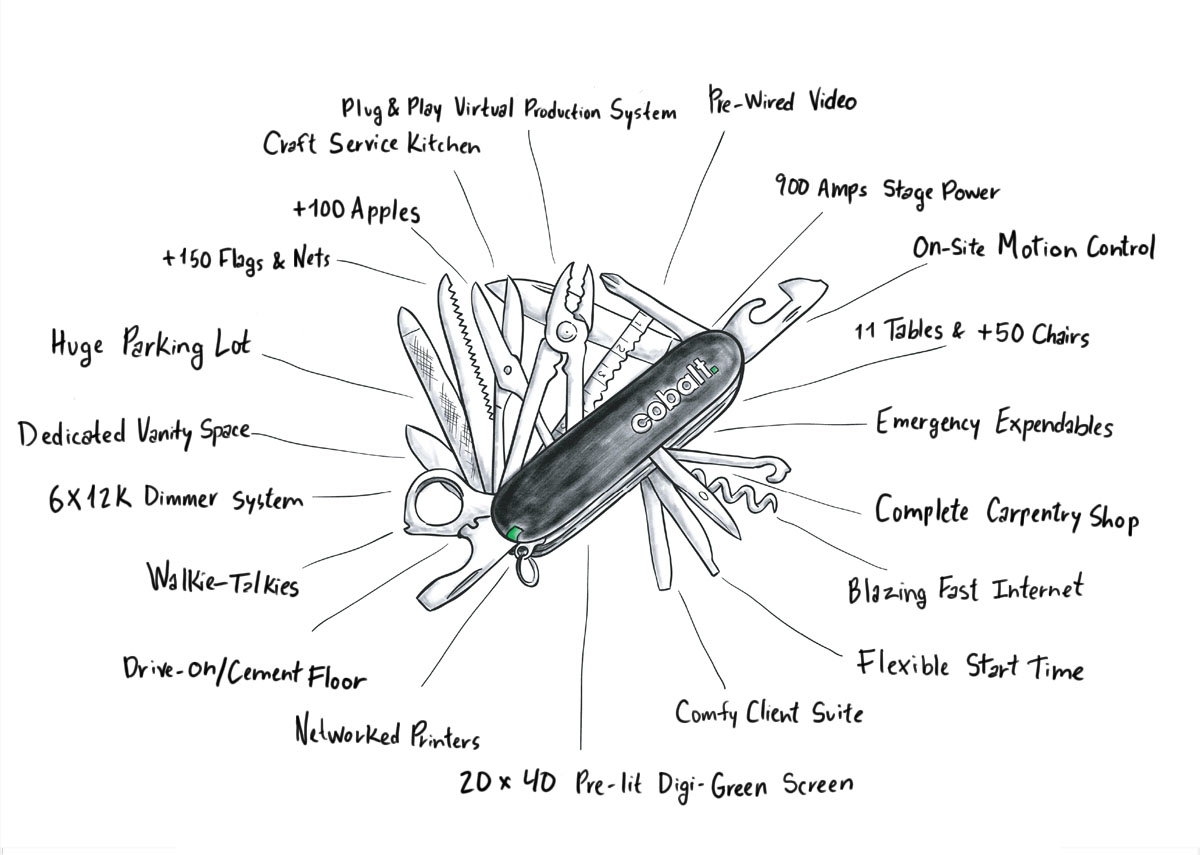
We over-prepare so you don’t have to.
Explore our complimentary tools, amenities & extras.
With our vast equipment inventory and comprehensive capabilities, we’ve been compared to a Swiss Army Knife—and yes, we do have a corkscrew. From our onsite scissor lift to our well-stocked woodshop, our space is equipped with thoughtful amenities that we offer our clients, as needed, for your productivity and convenience.
All-in-one efficiency.
Cobalt’s soundstages include a level of access and support that’s rare in the industry. All our tools and amenities are selected by seasoned professionals who understand precisely what’s needed to deliver the optimal client experience.
Comprehensive and cutting edge.
We’re early adopters, always investing in cutting-edge production tools. In particular, our motion control tools and Virtual Backlot are the most diverse and extensive that are available to the public on the East Coast. Schedule a tour today to explore the creative possibilities.
Learn about Virtual Production
and how to use it?
Cobalt’s got you covered. As the first company to offer Virtual Sets on the East Coast, we have the experience to guide you. Let’s have some fun 😉
Need Production
solutions and support?
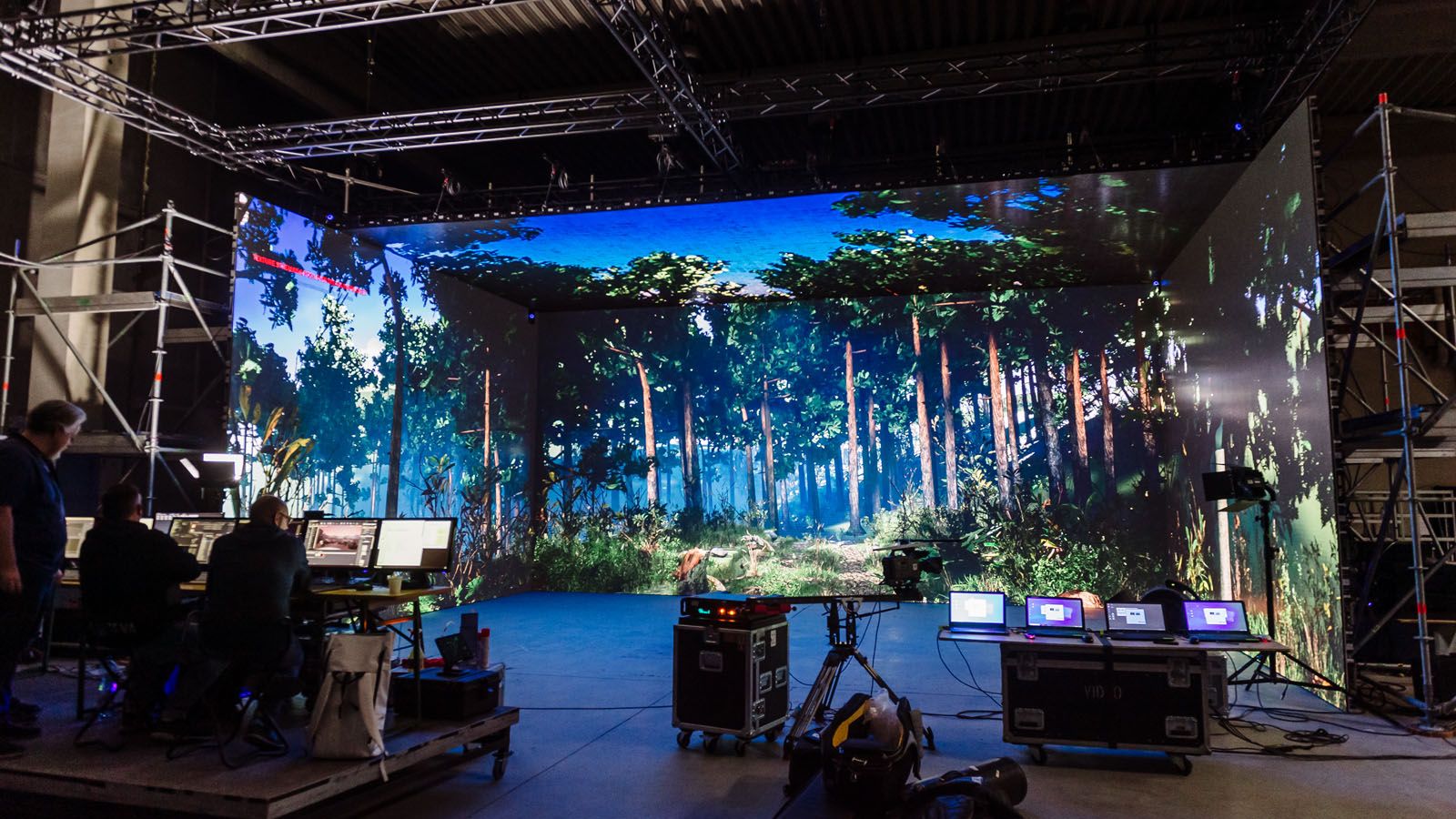
Visionary Perspectives: Future Trends in Virtual Production.
Visionary Perspectives: Future Trends in Virtual Production
Virtual Production is at the forefront of innovation in the Industry. It’s one of the most creative tools we’ve got, and it continues to flourish among today’s visionaries.
Why? It’s one of the easiest, most creative and most cost-effective ways to tell a story!
So, what exactly is Virtual Production, and what can we expect in the next few years?
What is Virtual Production?
Virtual Production is a filmmaking technique that combines computer-generated imagery (CGI) with live-action footage. It involves virtual environments, digital sets, and computer-generated characters or objects to create immersive scenes and visual effects throughout the filming process.
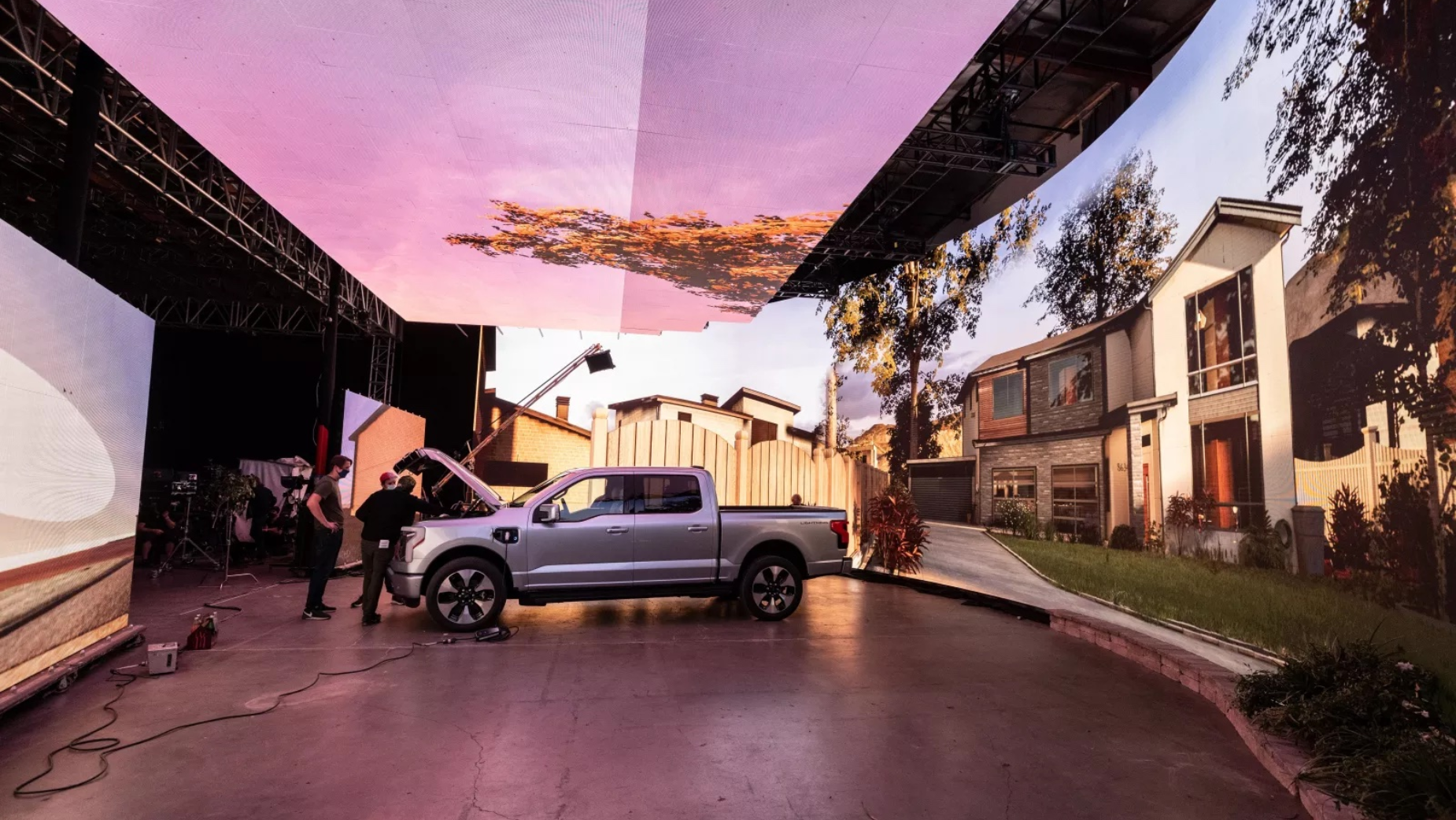
Emerging Trends in Virtual Production.
Exploring future trends in VP, from emerging tech to evolving strategies, is essential given how quickly technology is developing. Here are a few trends to keep an eye out for:
NeRF in VFX.
It’s not the foam darts you’re thinking of…
NeRF stands for “neural radiance field” and is an AI-based image-generating process. It’s comprised of a fully-connected neural network that can generate novel views of complex 3D scenes, based on a partial set of 2D images.
What does this all mean?
It’s a fancy way of saying a networked neural engine that is creating new views of scenes based on limited input imagery.
Basically, you feed it a few images and it will use the NeRF engine to generate a three-dimensional view, filling in whatever gaps there may be. The system is trained to use a rendering loss to reproduce input views of a scene.
NeRF in VFX represents a new era of what’s possible in image creation pipelines. In the same way AI can take your prompt online and create an image, it will take your input imagery and decide what goes in the gap, making advanced assumptions about brightness, texture, and reflectivity.
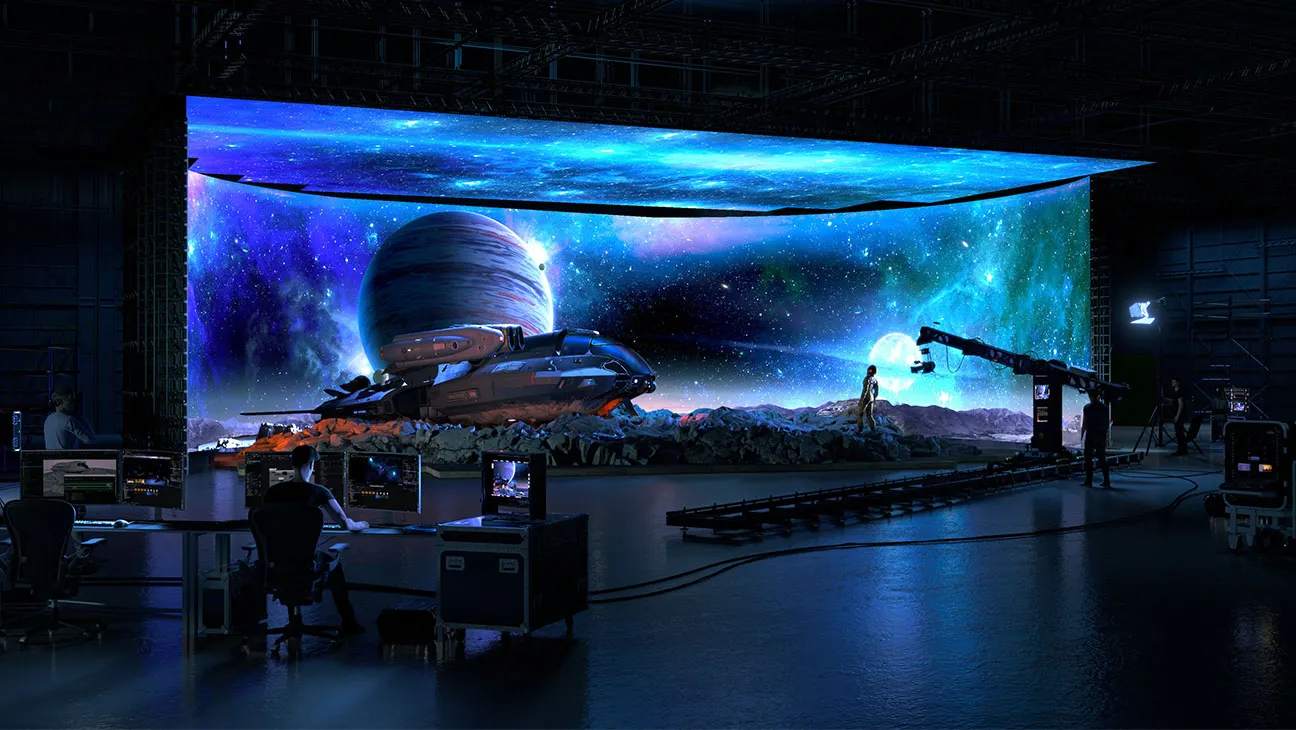
Expanding the Use of Virtual and Augmented Reality.
AR and VR technology enables actors to interact with virtual objects and characters as if they were truly present while enhancing their performances and fostering a deeper sense of immersion.
This type of tech allows filmmakers to augment their physical set with digital elements that can be seen in real-time through on-set monitors or AR glasses.
In addition to streamlining the development of virtual environments, this trend improves teamwork among creative individuals, enabling them to work remotely.
In the future, we expect VR and AR to play a major role in shaping narratives.
Global Collaboration in Real-Time.
Virtual Production is normal. It eliminates geographical boundaries and facilitates global collaboration, making the future pretty promising. The advent of cloud-based workflows with real-time data means creative teams can work together from all corners of the world.
This trend will boost creativity, opening doors for diverse perspectives and talents. Virtual Production facilitates a global network of creatives working together effortlessly.
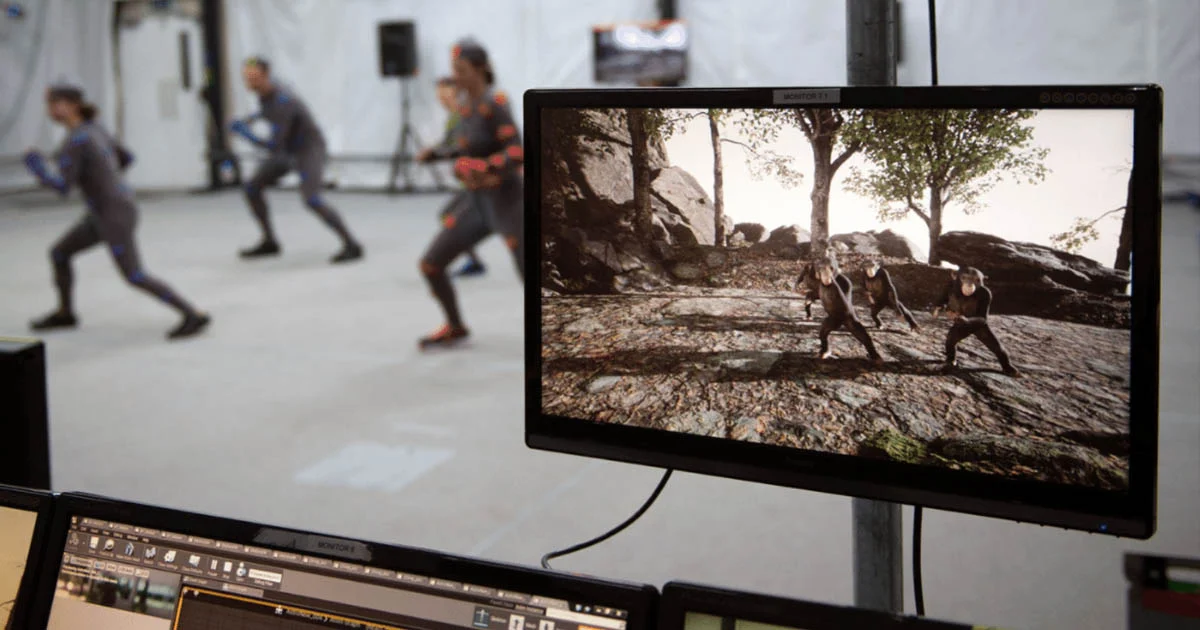
AI-Driven Content Generation.
Artificial intelligence (AI) will revolutionize content creation in Virtual Production. It can generate realistic animations, textures, lighting, and even entire scenes, reducing workload and speeding up production.
As AI continues to evolve, we’ll be seeing a more efficient and cost-effective content development process. Virtual Production will continue to involve a symbiotic relationship between computers and human creativity. We believe in our heart of hearts that the human element will always prevail.
Virtual Production For All Sizes!
The future also looks bright for indie filmmakers and commercial producers. Virtual Production is not just for big-budget productions. VP has made it easier for content creators to work with smaller budgets while producing eye-popping results.
The future of Virtual Production is filled with exciting possibilities. From NeRF and VR/AR to AI-driven content and global collaboration, the industry is on the cusp of remarkable advancements.
Ready to learn more about Virtual Production, and how it can streamline your project today?
Want to learn about Virtual Production and how to use it?
Cobalt’s got you covered. As the first company to offer Virtual Sets on the East Coast, we have the experience to guide you. Let’s have some fun.
Need production solutions and support?

Movies You Didn’t Realize Were Shot with Virtual Production.
Movies You Didn’t Realize Were Shot with Virtual Production
In the blink of an eye, we’ve gone from the early days of blue and green screens to using hyper-realistic virtual production that is indistinguishable to the human eye.
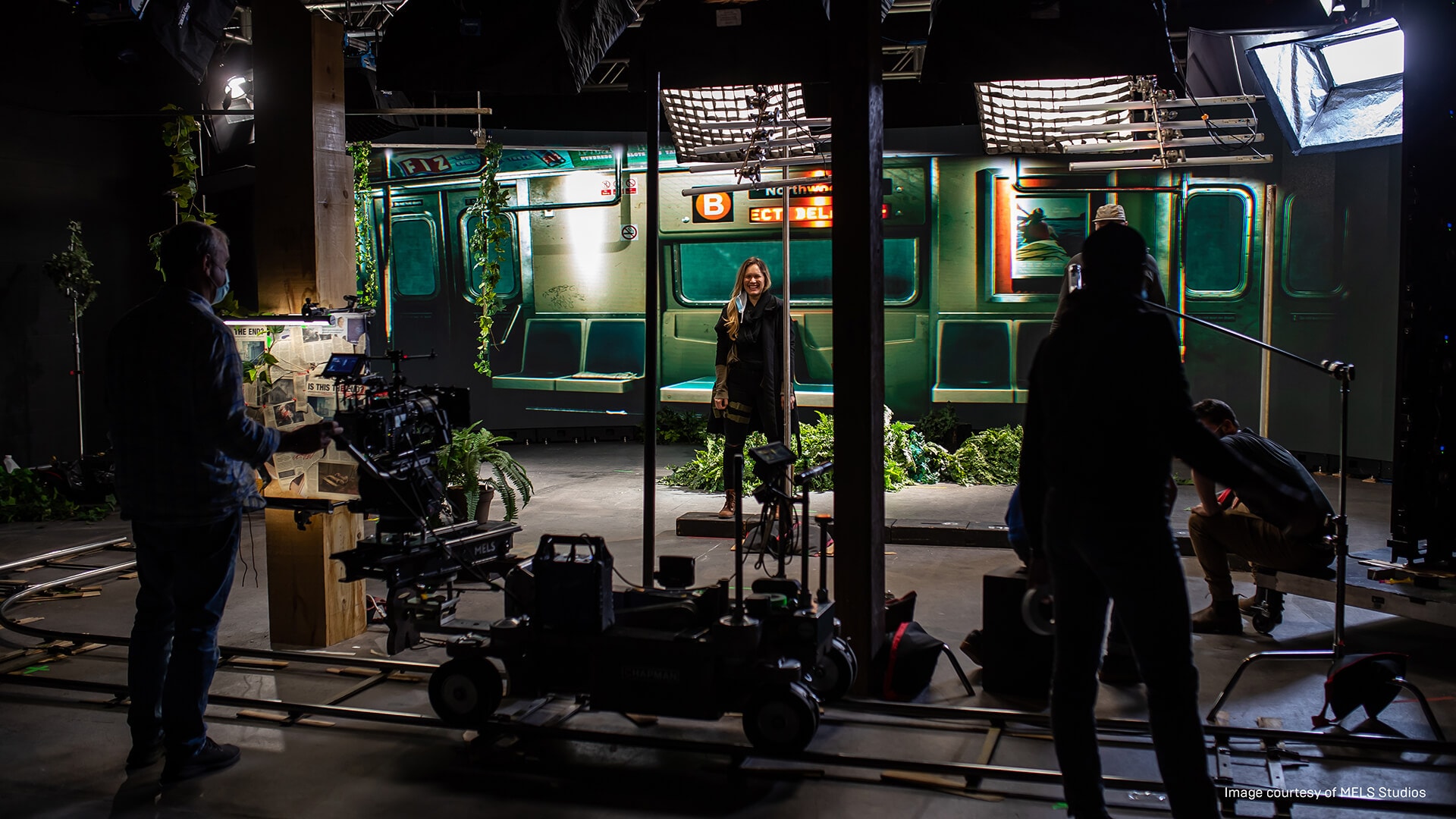
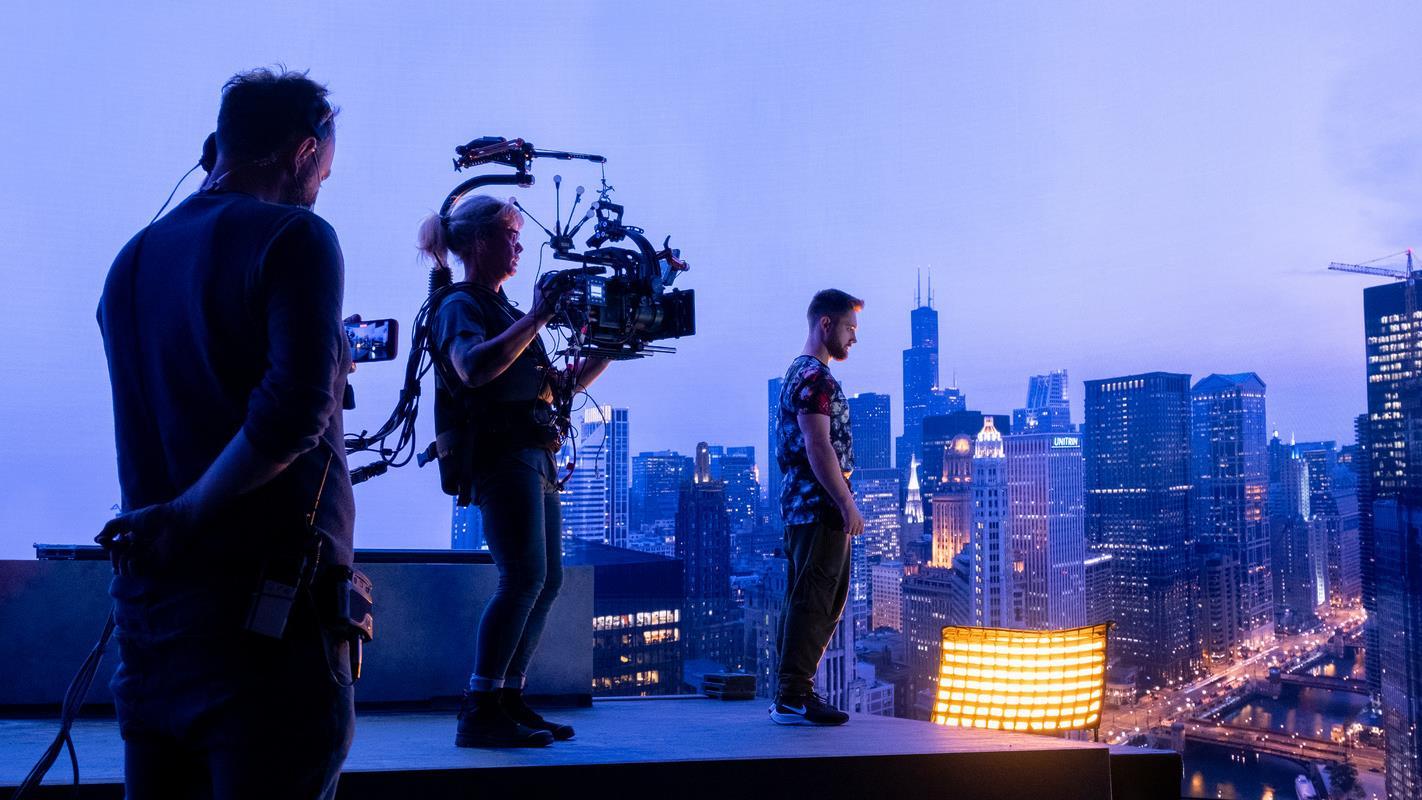
A virtual set uses game engines and other technologies to display life-like environments and backgrounds on ultra-high-definition LED screens, strategically placed behind actors while filming. So far, it’s game-changing. Productions can be made faster, better, and for less money than on-location shoots.
Here are a few movies you didn’t realize were shot on virtual sets.
The Irishman (2019)
While watching The Irishman on Netflix, did you wonder how the actors transition from their 30s in the beginning to their 60s by the end? According to Vulture, the team at Industrial Light & Magic (ILM) made it happen using virtual production.
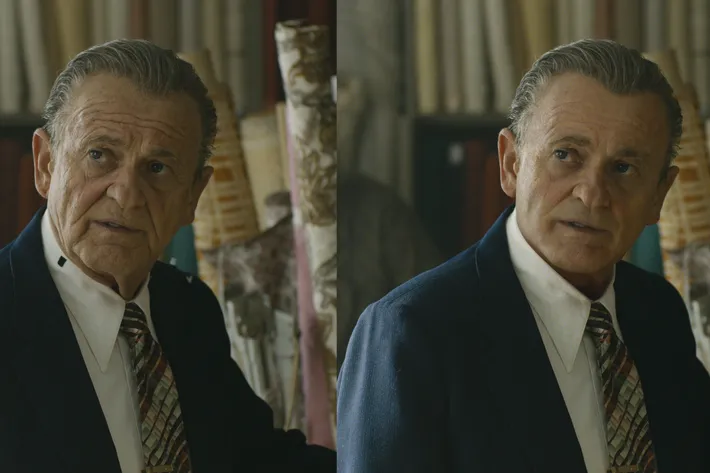

Based on Charles Brandt’s biography of a mob hit man, Frank Sheeran, “I Heard You Paint Houses,” the story spans approximately seven decades.
To appropriately age and de-age the actors, ILM used artificial intelligence, motion-capture technology, and a three-camera system to virtually reproduce sets and locations. This allows the actors to shoot their scenes without the need for hours in the makeup chair or special mo-cap suits.
Red Notice (2021)
The film stars Dwayne Johnson as an FBI agent chasing art thieves, played by Ryan Reynolds and Gal Gadot.
To meet Netflix’s tight deadline, visual effects company Lux Machina built a virtual set consisting of LED walls, an LED ceiling, and mobile screens that were moved where needed.
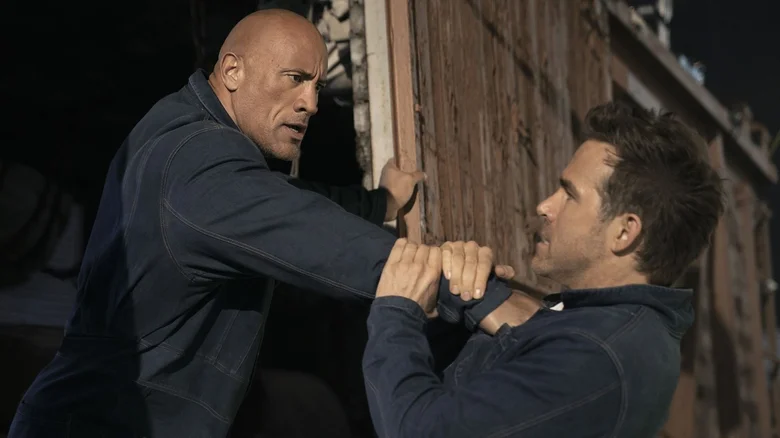
A large volume of screens were used to create a fight on board a moving train, as well as a scene on a helicopter. The film was the fifth most streamed movie on any platform in 2021.
Ford v Ferrari (2019)
The racing, the stunts, the crashes, most of that was real, but not everything. Virtual production was used to extend the courses, add to the crowds, and build some from scratch.

The production team used Unreal Engine, another game engine, to fix angles, create rain during a race, and tie footage together. They used similar stylization to better match the original, traditionally shot footage.
Top Gun: Maverick (2022)
With Top Gun: Maverick, what you see is what you get. All the aerial maneuvers, the barrel rolls, the ups and downs, they’re all real.
Well, almost…
This film used very little digital FX. However, scenes where it would’ve been impossible to mount a camera on a fighter jet traveling at the speed of sound, were the scenes in which virtual production was used.
Without the tech, shots of the pilot’s facial expressions and the cockpit in flight wouldn’t exist, and the film would be all the lesser for it. The team at Lux Machina used a game engine called Disguise to render 270-degree views by blending images from 15 projectors.
The Future of Film
For the last 20 years, video production has sparked conversation about a massive transformation in the Industry. Will we soon be using AI to make actors, screenwriters, directors, and producers obsolete? Not likely. It’s far more possible that the entertainment industry will work with technology to continue to improve the moviegoing experience.
The more authentic a story is, and a movie seems, the more plugged in we are. Virtual production creates realistic settings that get viewers emotionally involved in the story. We end up caring about the protagonist and rooting for their win. Films like Red Notice know to capitalize on that relationship to bring in more viewers.
Have more questions on virtual production?
Want to learn about virtual production and how to use it?
Cobalt’s got you covered. As the first company to offer Virtual Sets on the East Coast, we have the experience to guide you. Let’s have some fun.
Need Production solutions and support?

What is New York State’s Sales Tax Exemption Program?
Just when you thought a 40-45% tax credit was huge, here’s another remarkable program to swoop in and save the day!
We’re always investigating ways to help you save. Cuz when you save, we save, and everybody wins 💥💥💥
We understand sales tax can get heavy, especially for big productions. But, when you have the right production partners 😉 there’s actually quite a few different ways to reduce your costs and streamline the budget.
Here, we take a quick peek at how you can take advantage of some of these ample tax programs in New York.
Waving away sales tax is one of the best programs NYS has to offer for us folks in the Industry. Read on…
What is New York State’s Sales Tax Exemption Program?
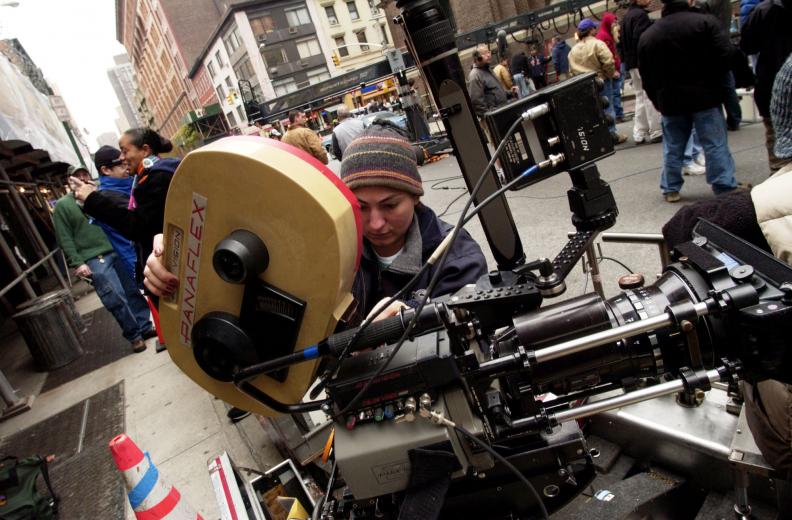
New York’s tax credit programs have been instrumental in the growth of the state’s film industry. One of the many tax benefits associated with filming in New York State is the Sales Tax Exemption Program offered through The Governor’s Office of Motion Picture & Television Development (MPTV).
And while it’s one of the benefits of filming in New York, it’s not entirely clear how to sign up to receive the exemption.
Here, we’ll take a look at New York State’s Sales Tax Exemption Program, the credits available, and the latest regulation changes.
The Purpose Behind the Program
The tax benefits are offered in New York State to encourage film production and bring more jobs to the region.
What Does it Cover?
Film and video productions get a sales tax exemption for all production consumables, equipment rentals, purchases, and related services.
The exemptions cover almost every aspect of film, video production, and post-production. To qualify, the production company must register as a vendor with New York State.
The term film includes, but is not limited to:
- feature films
- television films
- commercials
- documentary films and shorts
- similar film and video productions
Film production activities that are eligible for the exemption from sales tax are:
- pre-production
- production
- post-production
- sale and distribution
Ready to Apply?
Start by downloading a copy of Publication 28: A Guide to Sales Tax for the Film Industry. It uses plain English to describe everything you need to know to receive the sales and use tax exemptions.
You must first apply online for a Certificate of Authority with New York State’s Department of Taxation and Finance. The website says processing time averages to about five days. However, Publication 28 mentions leaving room for a 20-day lead time ahead of the first day of pre-production.
Would you prefer to mail your completed form rather than apply online?
Alternatively, you can download, print, and fill out Form DTF-17.1, Application for Registration as a Sales Tax Vendor, and the Instructions for Form DTF-17.
Remember to keep a copy for your records. Mail the completed original to:
NYS Tax Department
Sales Tax Registration Unit
W A Harriman Campus
Albany, NY 12227
Upon approval, you’ll be issued a Certificate of Authority, which will display your vendor identification number. Make sure to display your certificate everywhere you’re filming.

To Claim an Exemption
To request an exemption when making exempt purchases of tangible personal property used directly and predominantly in the production of a film, your suppliers will need your completed Form ST-121: Exempt Use Certificate.
Tangible Personal Property Used in Film Production
Tangible personal property used or consumed directly in the production of a film for sale may be purchased, leased, or rented, exempt from sales tax.
Property is used predominantly in film production if more than 50% of its use is directly in the production of a film.
Services to Property Used in Film Production:
Services that you purchase for tangible personal property used predominantly in the production of a film are exempt from sales tax.
Utilities, Utility Services, and Fuel Used in Film Production:
Gas, electricity, refrigeration, steam, and fuel that you purchase for use or consumption directly and exclusively in the production of a film are exempt from tax.
What’s exempt and what is not:
- Electricity for actors’ trailers is taxable.
- Electricity for office is taxable.
- Electricity used by set lighting equipment is exempt.
- Gasoline or diesel motor fuel used by a vehicle moving equipment to another location is taxable.
- Gasoline or diesel motor fuel used by a vehicle used as a prop in a commercial is exempt.
To purchase utilities and utility services exempt from tax, you must issue a properly completed Form ST-121, Exempt Use Certificate, to your supplier.
To claim an exemption for gasoline and/or diesel used directly in film production, you must pay the sales tax at the time of purchase. You’ll then claim a refund of the tax paid by filing Form FT-500, Application for Refund of Sales Tax on Automotive Fuels.
You Must File Sales Tax Returns
For sales tax purposes, once you receive your Certificate of Authority, you are considered to be in business, even if you never make a sale.
Filing sales tax reports on time is important. Filing late could cost you penalties. Filing sales tax returns online is easy using the Tax Department’s Online Services.
Summing it Up
Filming in New York makes good business sense. Doing so opens up financial benefits that you won’t see anywhere else. Their sales tax exemption could save a production anywhere from several hundred to several thousand dollars. These exemptions could help offset other production costs.
New York State offers optimal filming locations across the state. The financial benefits of filming here can vastly offset other production expenses and streamline production costs.
Any more questions?

Want to learn about virtual production and how to use it?
Cobalt’s got you covered. As the first company to offer Virtual Sets on the East Coast, we have the experience to guide you. Let’s have some fun.
Need Production solutions and support?
The Math Works in Woodstock.
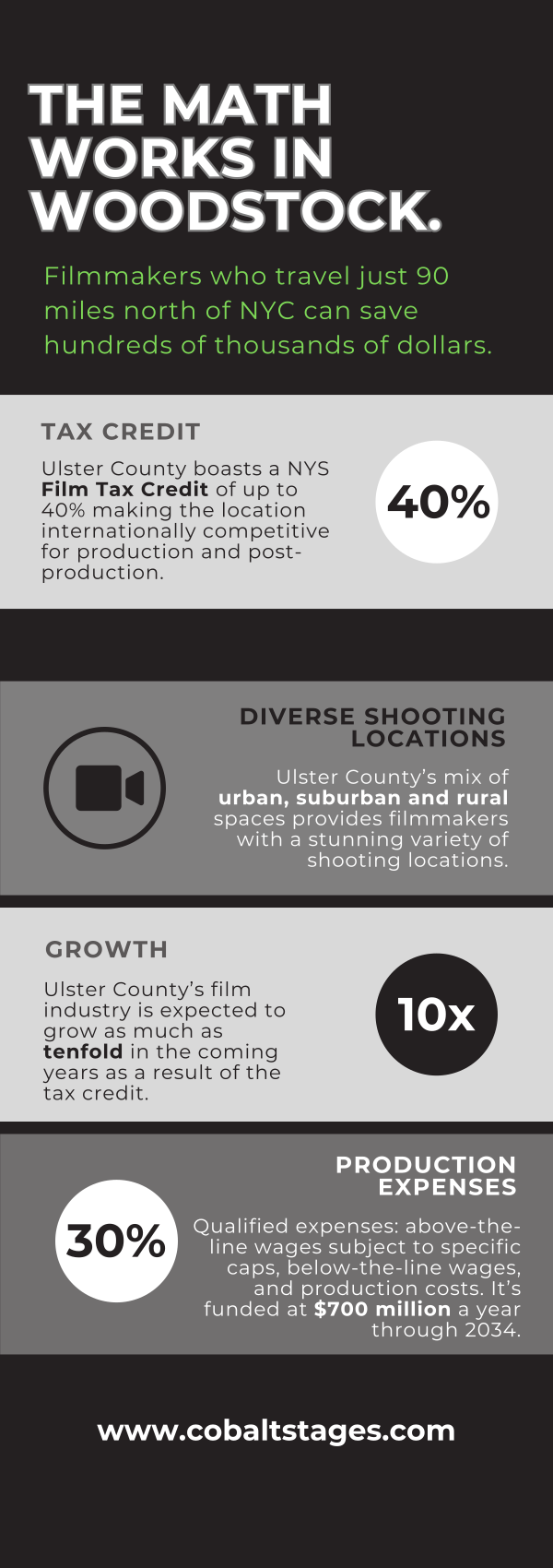
The New York State Film Tax Credit Program is worth $700 million, and with its recent upgrades, is one of the best in the nation.
Ulster County-based production and post-production efforts benefit from the highest level of NY film tax credits available in NYS and the country, at large.
Did you know, Woodstock (in Ulster County) is THE prime place to collect the most?! So, why aren’t you filming here, right now?
The Film Tax Credit Program is divided into two distinct programs:
- Program #1: The Film Production Credit
- Program #2: The Post-Production Credit
Learn more about the New York State Film Tax Credit Program.
#NYS #Filming #Taxes #Entertainment #taxcredit #savemoney
Ready to go?
Let’s talk.
Want to learn about virtual production and how to use it?
Cobalt’s got you covered. As the first company to offer Virtual Sets on the East Coast, we have the experience to guide you. Let’s have some fun.
Need Production solutions and support?
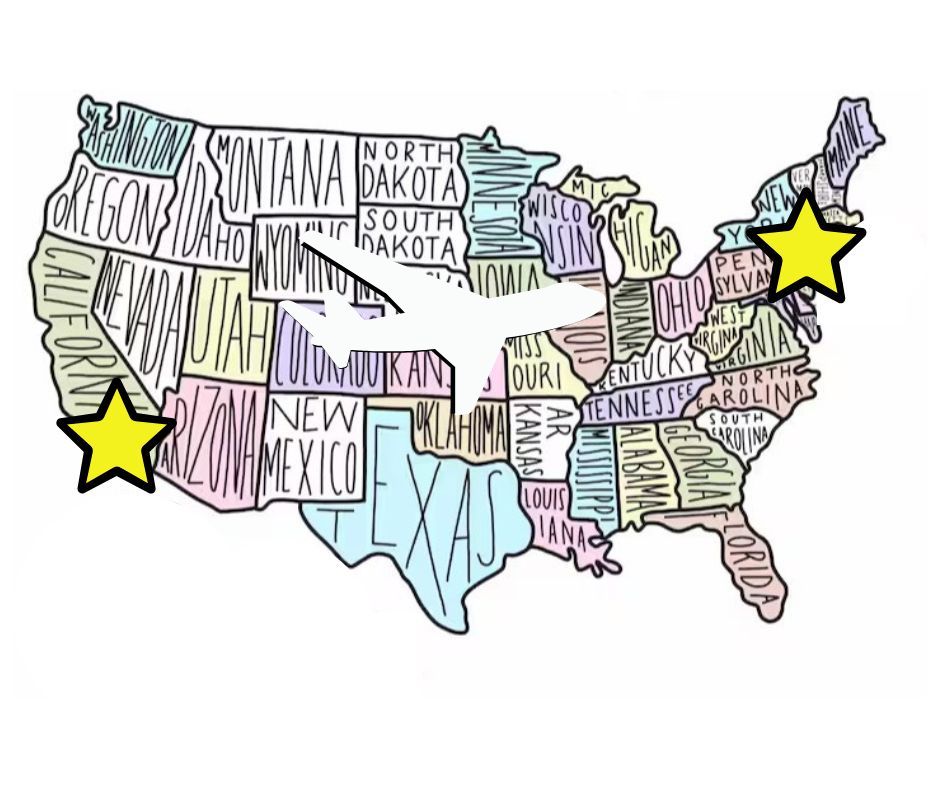
Why the West is Coming to Woodstock.
LA Clients make the move to Woodstock.
The massive soundstage doors are open, and Cobalt Woodstock is up and running! Recently, we’ve had some of our long-time LA clients in town for production. They absolutely raved about the area, and the Cobalt campus we’ve put together in the Hudson Valley 🙂
And they fell in love…
What’s not to love? The crisp air. The towering trees. The rolling hills, the rivers, the history, the vibrant arts community that’s been calling this place home for over half a century…Even the Woodstock Film Festival draws an impressive crowd to Ulster County.
Our LA clients are not only wowed by our production studio, but also by the exceptional dining options in the area. Whether it’s organic, farm-to-table fresh at Silvia, French faves at Le Canard Enchaine, or classics from the Catskills at Butterfield, there’s something for everyone in your production, cast, or crew. We’re not joking when we say Woodstock is magic, and we know you’ll feel it too.
Speaking of food, what’s cookin’ at Cobalt?
We had our client’s Head Chef feel right at home in our fabulously well-appointed kitchen. But it’s the Cobalt extras that make the difference. And, let’s just say they were ready to leave a 5-star review of the Cobalt Experience!
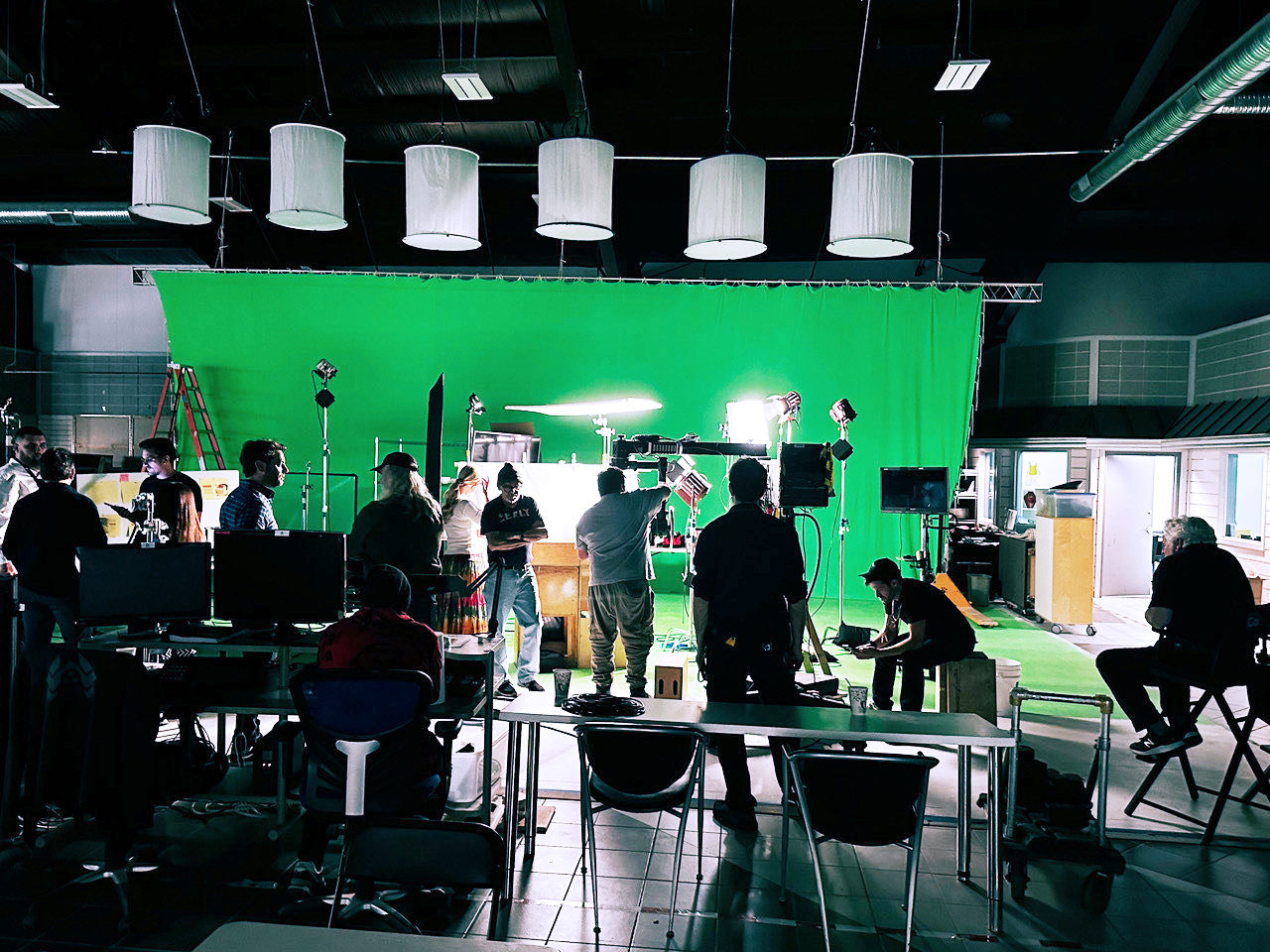
What made this shoot so special?
Why do our clients come from LA to work with us?
Here’s a peek at what our clients take advantage of during their shoot at our turnkey soundstage:
Motion Control and Custom Rigging
We’ve got a huge inventory of robotics, from full-on camera cranes to sleds and sliders. Our MoCo inventory ranges from 50ft to micro-miniature sliders for ECU work, rotators from 4 ft diameter to jewelry work, multiple x/y tables, pan/tilt/roll heads, and three independent control stations.
We’ve also got a little trick up our sleeves called the Berkey System. Think of it as an erector set for the rigging team. It allows us to create custom rigging on the fly, and to accommodate the unique demands of every shot. Our over-under rig is shaped like a horseshoe, and lets us whip cameras up-and-over subjects with ease.
Cobalt Stages also has various mechanical sliders that move subjects and allow us to create absolutely precise movements, ensuring we get the perfect shot. It’s focused and measured motion control through state-of-the-art camera robotics.
For our LA clients, we needed cilantro to gently rain down into a bowl of guacamole. The only way to get the precision and pacing right was to send those delicate little leaves a-flutter from a purpose-built tiny conveyor belt. No problem!
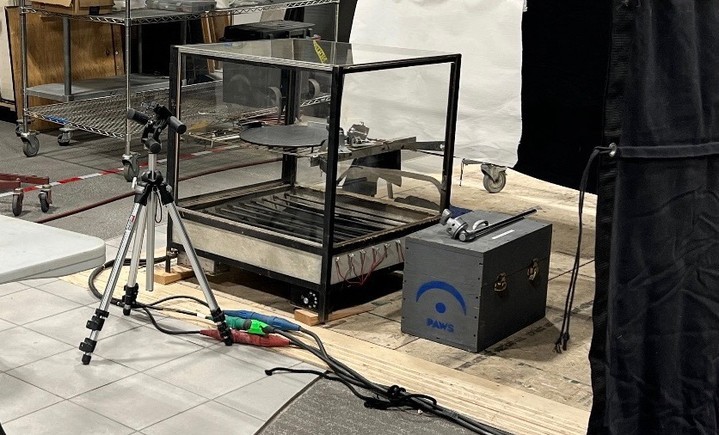
Custom-built Bakeup Oven
Our custom oven is one of 2 in the whole world. The whole world! You have to see this thing in person. Imagine a fully functional oven with clear Pyrex on 4 sides and the top, so you can experience the food doing its magical transformation.
An Almost Endless Prop Room
Nothing like having items at hand when you’re in a crunch! The big items take care of themselves, but it’s the little ones that often are the “sweeteners”…
Pyro
Who doesn’t love to play with fire? With our valved pyro control system, we’re able to animate flames and control the nuances of pyrotechnics. So that while it looks dramatic… it also looks authentic.
That’s just scratching (scorching?) the surface of what we can do. It’s the sum of all the parts that defines Cobalt.
We can level up your production in 2024.
Want to learn about virtual production and how to use it?
Cobalt’s got you covered. As the first company to offer Virtual Sets on the East Coast, we have the experience to guide you. Let’s have some fun.