
Reel Histories 3: Apocalypse Cow
Filming Affection in Bovina, NY — In Conversation with Christopher Santiago
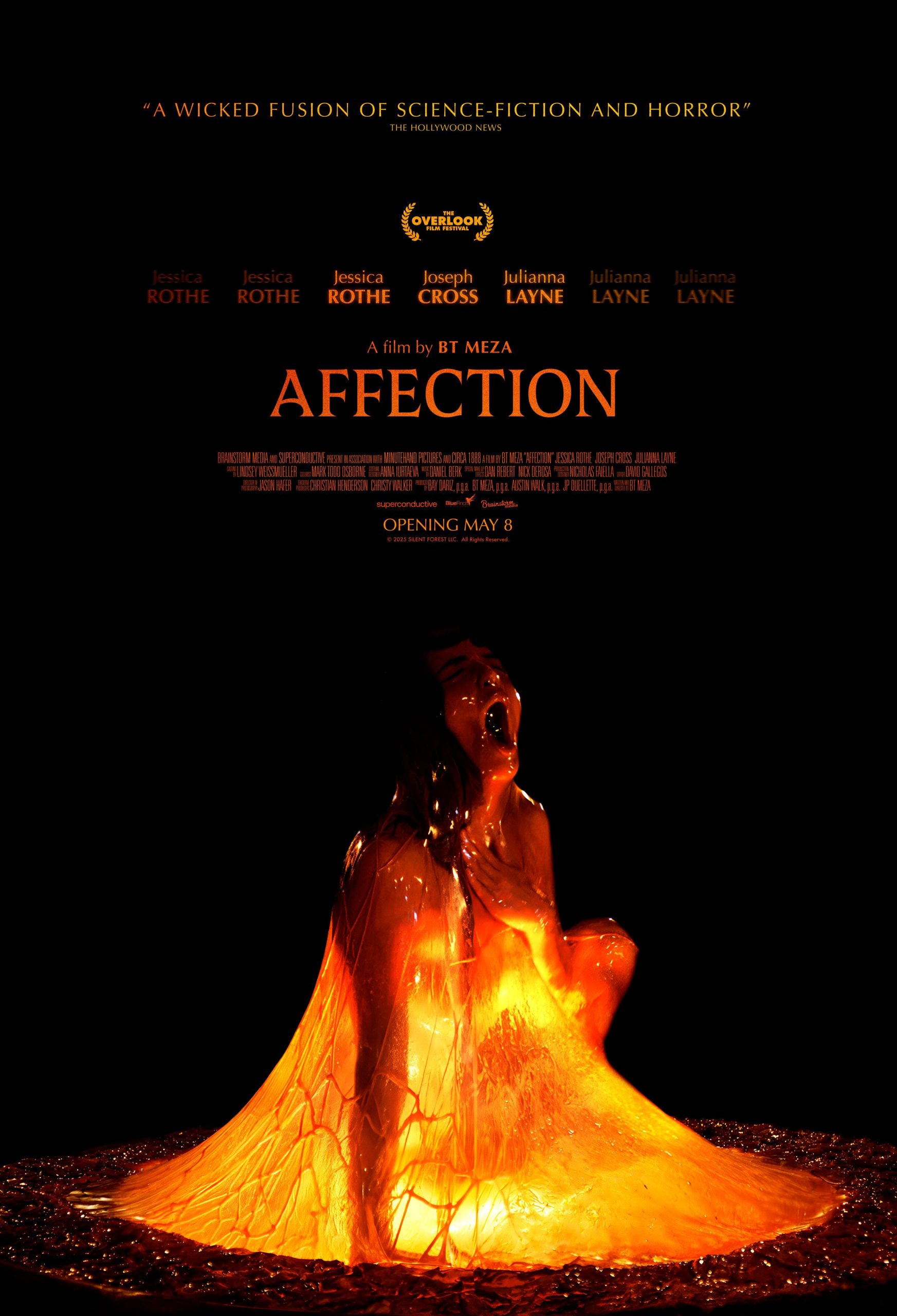
KARA VEDDER: Most of Affection was shot wayyyy out in Delaware County, New York – in Bovina, which lives up to its name.
ALEX FERNBACH: An existential horror movie, shot in a remote location, in nonstop weather – so, who’s got what problem here?
KARA VEDDER: BT Meza wrote, directed, and produced – along with Bay Dariz, Austin Walk, and JP Ouellette. We worked with line producer Chris Santiago, who told us about the Affection shoot for this installment of ‘Reel Histories.’
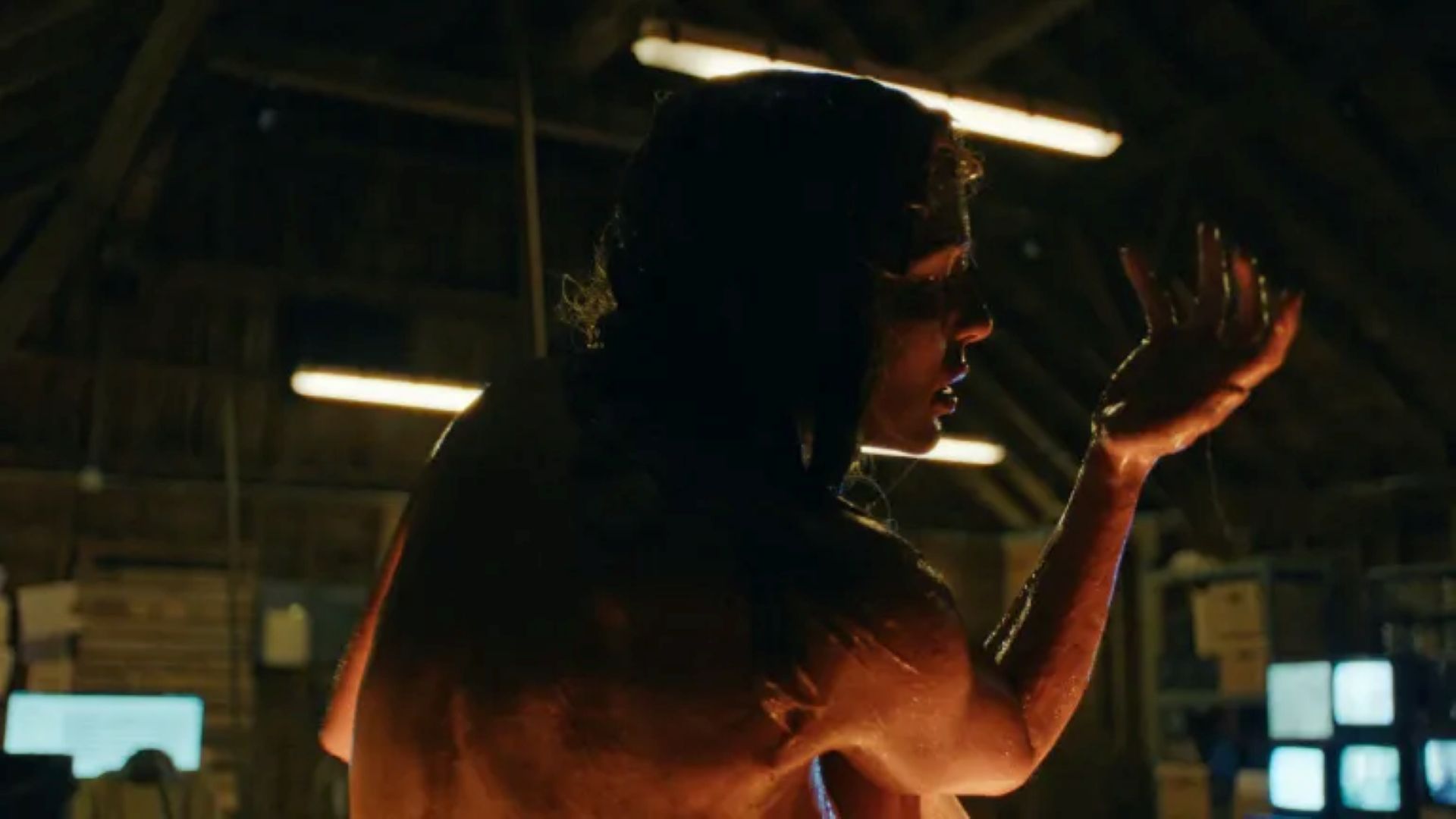
COBALT: Chris, thank you so much for taking the time to talk with us. Affection hits theaters May 8 — given everything you were up against, how did you pull it off?
CHRIS: On a film this small, everyone becomes essential. When you’re stretching a dollar to make a genre movie, there’s no margin for error, but our lead producer, Bay Dariz, really held us together when things got difficult.
COBALT: How rough are we talking here?
CHRIS: Just bad luck on top of isolation. We’re doing overnight shoots in the rain. We’re deep in the Catskills where nothing is open late. Cell service is patchy, the nearest Walmart was almost an hour away.
COBALT: What pulled you there in the first place?
CHRIS: We kept coming back to this one house. The land, the style, it just worked—it carried the emotional tone and the story. We were going for a period-neutral aesthetic that didn’t lock us into a specific era.
COBALT: Creatively perfect but logistically brutal.
CHRIS: Exactly. It rained every single day. We were losing at least an hour of shooting a day. And most of our work was exterior nights. It wore everyone down.
Ironically, the original script had a storm sequence. We cut it because it would’ve been too expensive, then nature gave it to us anyway.
COBALT: Affection really leans into practical effects—what was behind that decision?
CHRIS: The director BT is a big 80s horror fan, so practical effects were non-negotiable. There were moments where VFX might’ve been cheaper, but we were committed.
COBALT: You don’t really know until you see it on screen.
CHRIS: Exactly. Then you feel it. It paid off in the final film’s VHS-era horror influences — specific textures, effects, moments that are almost like a collage of genre DNA.
COBALT: Those references really resonate with horror fans.
CHRIS: That’s the idea – making a true thriller that rewards repeat viewing the way Cloverfield did when I was a kid – details you only catch the second or third time.
COBALT: So what was it like discovering Cobalt?
CHRIS: We were looking for a studio space that qualified for our tax incentive – that’s probably how a lot of small films end up at Cobalt. And when I first saw the space, and then started talking with them, I was like, Oh, this feels nice. They’ll take care of us. I had a good feeling, but I had to convince the LA team. We set up a virtual tour, and they were in.
COBALT: Nice – and how did that shift your process?
CHRIS: We had originally planned to build this lab set inside a barn on location, but it quickly became clear the barn hadn’t been touched in decades and it wasn’t realistic.
Moving to Cobalt gave us flexibility—and honestly, a lot of comfort. By that point in the schedule, everyone was pretty desperate to get out of the house. So Cobalt was like a production reset.
We really just needed a black box that qualified for New York tax rebates, but Cobalt’s production support and infrastructure – the parking, the office space – made us so much more comfortable. Taking some of the logistical pressure off completely changed how we were able to operate day to day. Suddenly we had air conditioning, space, amenities – it set us up to do our jobs better.
COBALT: Stuff you only notice when it’s missing.
CHRIS: Exactly – we could finally decompress.
COBALT: Would you approach anything differently next time?
CHRIS: Not necessarily—but knowing Cobalt existed changed how we worked. Having the ability to make backup plans alone made a huge difference.
COBALT:
For small productions, that flexibility isn’t a luxury.
CHRIS:
Cobalt gave us a way to pivot plans without compromising the vision – it definitely shows in the finished film.
🎥
Want to learn about Virtual Production and how to use it?
Cobalt’s got you covered. As the first company to offer Virtual Sets on the East Coast, we have the experience to guide you. Let’s have some fun.